
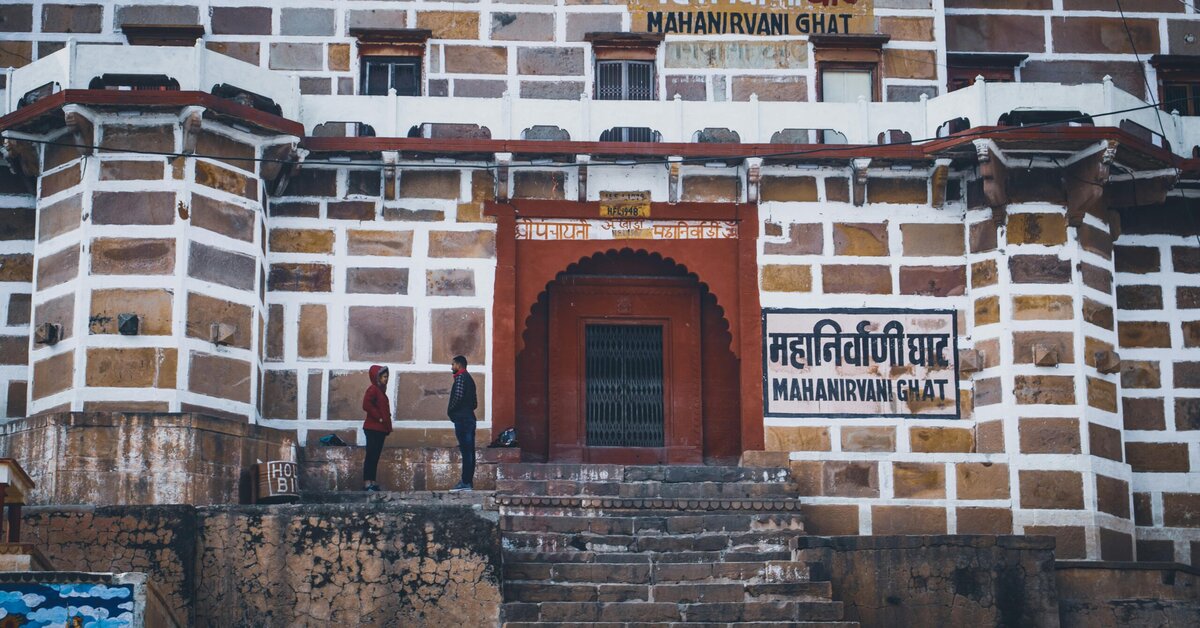
When most people think of Varanasi, they picture ancient temples, spiritual seekers, and dawn rituals along the ghats. But as the sun sets and the evening aarti concludes, this sacred city reveals another side—one that’s surprisingly vibrant, refreshingly laid-back, and wonderfully unexpected. Varanasi’s nightlife isn’t about nightclubs or bars blasting EDM until dawn. Instead, it’s about intimate cafes perched above the Ganges, live sitar performances drifting through narrow lanes, and conversations that stretch late into the night under strings of fairy lights.
Varanasi Nightlife – Cafes & Music by the Ganga : This is nightlife reimagined—where spirituality and bohemian culture blend seamlessly, where you might discuss philosophy with a sadhu at sunset and share travel stories with backpackers from five different countries an hour later. The magic of Varanasi after dark lies in its ability to be both deeply traditional and refreshingly cosmopolitan, often within the same stone’s throw distance.
The Evolution of Varanasi’s Cafe Culture
From Traditional Tea Stalls to Contemporary Cafes
Varanasi has always had places to gather, sip chai, and talk. Traditional tea stalls, or chaiwalas, have been social hubs for generations—simple affairs with wooden benches where locals debate politics, cricket, and life while gulping down steaming glasses of sweet, milky tea. These still exist and remain authentically charming, but something new has emerged alongside them.
Over the past two decades, a cafe culture has blossomed in Varanasi, particularly around Assi Ghat and the areas frequented by international travelers. These aren’t your typical Indian restaurants or tourist traps; they’re thoughtfully designed spaces that honor their location while offering contemporary comforts. Many occupy restored heritage buildings or feature rooftop terraces with breathtaking views of the Ganges.
How Tourism Shaped the Scene
The influx of backpackers, spiritual seekers, and cultural tourists created demand for spaces that felt welcoming to both Indians and internationals. Travelers wanted places where they could get decent coffee (not just chai), enjoy familiar foods alongside local specialties, and linger for hours with a book or laptop without feeling rushed. Enterprising locals, often young entrepreneurs who’d traveled themselves, answered that call.
What emerged is beautiful in its hybridity—cafes that serve Italian espresso and masala chai with equal competence, where you can order hummus or dal, pizza or paneer tikka. More importantly, these spaces became cultural crossroads where Indian students, foreign travelers, local artists, and curious retirees could all find common ground.
Best Areas for Nightlife Along the Ganges
Assi Ghat – The Bohemian Hub
If Varanasi’s nightlife has a beating heart, it’s Assi Ghat. This southernmost major ghat has transformed into the city’s bohemian quarter, lined with cafes, small restaurants, and hostels catering to backpackers and long-term travelers. The vibe here is noticeably more relaxed and international than other parts of the city.
Walk along the lanes leading from Assi Ghat and you’ll find rooftop cafes every few steps, many with stunning Ganges views. In the evening, these spaces come alive with conversation, acoustic guitar sessions, and the clinking of coffee cups and beer bottles (yes, some serve alcohol, though discreetly).
The area around Assi Ghat also hosts informal music sessions, yoga classes, and philosophical discussions. It’s not uncommon to stumble upon a tabla player giving an impromptu performance or find travelers sharing skills—someone teaching Spanish in exchange for Hindi lessons, or a jam session where a didgeridoo somehow harmonizes with a harmonium.
Dashashwamedh Ghat Area
While Dashashwamedh is famous for its grand evening aarti, the surrounding area offers plenty of evening entertainment options. The cafes here tend to be more tourist-oriented and can be slightly pricier, but they offer prime viewing positions for the aarti ceremony.
After the ceremony concludes, these establishments fill with visitors discussing what they’ve just witnessed, making it easy to strike up conversations with fellow travelers. The energy here is more transient—people come for the aarti and then disperse—but that constant flow creates its own dynamic atmosphere.
The Lanes of Godowlia and Vishwanath Gali
These narrow, labyrinthine lanes near the Kashi Vishwanath Temple retain a more traditional character but have their own evening appeal. Here you’ll find smaller, more local establishments—sweet shops that have operated for generations, street food vendors serving up chaat and samosas, and small music shops where you might hear someone testing a sitar or tabla before purchase.
This area feels more authentically Varanasi and less tailored to international tastes. The nightlife here is about immersing yourself in local rhythms rather than seeking familiar comforts. It’s where you go to feel the pulse of the city as it’s always been, not as tourism has shaped it.
Top Cafes by the Ganga for Evening Vibes
Rooftop Cafes with River Views
The rooftop cafe experience in Varanasi deserves its own category. Imagine settling into cushioned seating as dusk approaches, the Ganges stretching before you, painted in shades of gold and purple. Lights begin twinkling on the opposite bank, and the sounds of the city—temple bells, vendors calling out, distant music—create a soundtrack that’s uniquely Varanasi.
Brown Bread Bakery near Assi Ghat is legendary among travelers. Run by a charitable organization, it serves excellent Western and Indian food with outstanding baked goods. The rooftop offers river views, and the casual atmosphere encourages lingering. Don’t be surprised if the person at the next table invites you to join their group—that’s the spirit of the place.
Pizzeria Vaatika Cafe, also near Assi Ghat, delivers exactly what its name promises—surprisingly good pizza alongside Indian favorites. The rooftop is multilevel, offering various seating nooks for different moods. Want to socialize? Sit at the communal tables. Need quiet contemplation? Grab a corner spot.
Open Hand Cafe & Shop combines great coffee, health-conscious food, and artistic vibes. The rooftop here attracts a creative crowd—you’ll often find people sketching, writing, or reading poetry. It’s slightly more upscale and quieter, perfect when you need respite from sensory overload.
Cozy Ground-Level Hangouts
Not all magic happens on rooftops. Ground-level cafes along the lanes offer their own charm—more intimate, more connected to the street energy, and often warmer on cool winter evenings.
Bona Cafe feels like someone’s living room that happens to serve great food. The low seating, bookshelf full of travel guides and novels, and walls covered in traveler messages create a homey atmosphere. People tend to stay for hours here, and conversations flow easily between strangers.
Blue Lassi isn’t really a nightlife spot per se—it closes relatively early—but deserves mention as a late-afternoon must-visit. This tiny shop in a Benaras Hindu University area has served legendary lassi for generations. Flavors range from traditional sweet and salty to experimental combinations with fruits, nuts, and even marijuana (bhang lassi, legal in this context). The walls are plastered with photos of celebrity visitors, and the experience is quintessentially Varanasi.
Cafe Recommendations and Specialties
Lotus Lounge near Meer Ghat offers fantastic views with a chilled-out vibe. Their specialty is fusion food—think Indian spices meeting Mediterranean influences. The sunset views here are Instagram-worthy, but more importantly, they’re soul-satisfying.
Prinsep Ghat Cafe and Guest House provides a quieter alternative away from the main tourist areas. The cafe overlooks a less-crowded ghat, making it perfect for those seeking tranquility. Their north Indian thali is authentic and delicious.
Canton Royale breaks the mold by offering Chinese and Southeast Asian cuisine. When you’ve had your fill of curry and chapati, this spot provides welcome variety. The riverside seating area is lovely in the evenings, and they often have live music on weekends.
Live Music Scene in Varanasi
Classical Indian Music Performances
Varanasi is one of India’s greatest centers for classical music, particularly Hindustani classical. The city has produced legendary musicians and continues to nurture this tradition. In the evenings, various venues and even some cafes host performances by local musicians.
The Sankat Mochan Temple hosts regular classical music concerts, particularly during the annual Sankat Mochan Music Festival. While this is more formal than cafe culture, it’s accessible to visitors and offers authentic, high-quality performances.
Several restaurants and cultural centers near the ghats arrange smaller, more intimate classical music evenings. These might feature sitar, tabla, sarangi, or vocal performances. The atmosphere is respectful but not stuffy—audiences sit on floor cushions, sip chai, and allow the music to transport them.
Contemporary and Fusion Music Venues
The younger generation of Varanasi musicians is creating interesting fusion sounds—classical instruments meeting modern sensibilities, traditional ragas blending with contemporary melodies. Assi Ghat cafes frequently host these musicians, creating evenings where the ancient and modern converse through music.
Some cafes have designated music nights where traveling musicians—both Indian and international—perform. You might hear anything from acoustic folk to reggae to experimental electronic music. The quality varies, but the vibe is always welcoming. These aren’t polished performances in concert halls; they’re intimate, imperfect, and deeply human.
Spontaneous Street Musicians
Some of the best music in Varanasi happens spontaneously. A group of sadhus might begin chanting and playing harmonium by the ghats. A street musician might set up with his ektara (one-stringed instrument) and sing devotional songs. Travelers with guitars congregate and jam.
These unplanned musical moments are part of Varanasi’s magic. The city’s spiritual energy seems to call forth creativity, and music becomes a natural expression of the joy and wonder people feel here.
What Makes Varanasi’s Nightlife Different
Here’s what you won’t find in Varanasi: pumping nightclubs, wild parties that rage until dawn, or the kind of nightlife scene you’d experience in Mumbai, Bangkok, or Barcelona. And that’s precisely what makes it special.
Varanasi’s nightlife has a contemplative quality. Yes, people laugh, socialize, and have fun, but there’s usually an undercurrent of something deeper—conversations about meaning, purpose, spiritual experiences, travel transformations. The sacred geography of the place infuses even its most secular spaces with a certain gravitas.
The pace is different too. Most establishments close by 10 or 11 PM, with only a few staying open past midnight. This isn’t a city that encourages all-night revelry; rather, it invites you to enjoy a few peaceful hours of connection, music, good food, and conversation before retreating to rest.
There’s also no hard boundary between “spiritual Varanasi” and “nightlife Varanasi.” You might attend the evening aarti, then head straight to a cafe to process the experience over coffee. Sadhus and backpackers occupy the same spaces. Devotional music drifts from temples while indie folk plays in cafes. It all coexists harmoniously.
Popular Drinks and Food at Ganga-Side Cafes
Chai and Coffee Culture
Chai remains king in Varanasi, and you haven’t truly experienced the city until you’ve had masala chai at a riverside cafe while watching the sun set. The best chai is strong, spiced with cardamom, ginger, and sometimes black pepper, sweetened with jaggery or sugar, and served in small glasses or clay cups called kulhads.
But coffee culture has also arrived. Many cafes now serve quality espresso drinks—cappuccinos, lattes, and flat whites that would satisfy demanding coffee lovers anywhere. Some use locally sourced beans, while others import premium varieties. For caffeine-dependent travelers, this is a blessed development.
Beyond the basics, look for special drinks. Bhang lassi—made with cannabis paste—is traditional and legal in Varanasi (cannabis has religious significance in Hindu culture). It’s potent, so approach with caution and never mix with alcohol or take before operating boats or vehicles. Masala lemon soda, fresh fruit lassis, and various herbal teas round out the beverage options.
International and Local Cuisine
The food scene reflects Varanasi’s dual character. You can find excellent traditional North Indian cuisine—dal makhani, paneer dishes, biryani, and countless vegetarian options (Varanasi leans heavily vegetarian due to its religious significance). Street food like chaat, kachori, and pani puri offers delicious snacks.
Simultaneously, international cuisine is well-represented. You’ll find decent Italian food, Mediterranean dishes like hummus and falafel, Thai curries, continental breakfasts, and even Mexican food at some places. The quality can be hit-or-miss with international offerings, but the best cafes have nailed their cross-cultural menus.
Must-Try Items
Don’t leave Varanasi without trying:
- Malaiyo: A winter delicacy available only from November to February, made from milk foam, saffron, and cardamom. It’s ethereal, literally melting on your tongue.
- Banarasi paan: Betel leaf filled with various ingredients—some sweet, some with tobacco (specify your preference). It’s a traditional after-meal digestive.
- Kachori sabzi: Breakfast staple of fried bread with potato curry, best enjoyed at street stalls.
- Thandai: Cooling drink made with milk, nuts, and spices, sometimes spiked with bhang during Holi festival.
The Role of Backpacker Culture
Varanasi attracts a particular type of traveler—seekers, wanderers, people drawn to spiritual exploration or authentic cultural experiences rather than conventional tourism. This creates a fascinating dynamic in the city’s cafes and gathering spots.
International backpackers bring global perspectives, travel stories, and skills they’re often willing to share. A cafe evening might find you learning juggling from a German performer, discussing Buddhist philosophy with a Japanese monk on holiday, or getting recommendations for your next destination from a seasoned RTW (round-the-world) traveler.
Indian travelers—students, artists, young professionals seeking escape from metropolitan pressures—mix with international visitors. This cross-pollination of ideas is enriching for everyone. Young Indians practice their English and learn about foreign cultures; international travelers gain deeper insights into Indian life beyond tourist narratives.
Long-term travelers and digital nomads have established a community in Varanasi. Some spend weeks or months here, working remotely from cafes, pursuing yoga or music studies, or simply soaking in the atmosphere. They become unofficial ambassadors, welcoming newcomers and sharing insider knowledge about the best spots and hidden gems.
Evening Activities Beyond Cafes
Attending the Ganga Aarti
The evening aarti at Dashashwamedh Ghat is the anchor event of Varanasi’s nightlife. This spectacular fire ceremony happens every evening at sunset and draws enormous crowds. Watching it—whether from the ghats or from a boat on the river—is both a spiritual experience and social event, after which the cafes fill with people processing what they’ve witnessed.
Smaller aartis happen at other ghats like Assi, offering more intimate alternatives. These create a perfect segue into the cafe scene—witness something ancient and sacred, then relax with modern comforts and companionship.
Night Photography Walks
Varanasi at night is a photographer’s dream. The ghats illuminated by lamps, street scenes lit by shop lights and fires, the play of shadows in ancient lanes—all create dramatic images. Many cafes organize or informally promote photography walks, where groups explore the city with cameras.
Even if you’re not particularly into photography, night walks reveal a different side of Varanasi. The intensity of daytime softens. The crowds thin (though never disappear entirely). The light becomes magical. It’s when the city’s age and beauty become most apparent.
Boat Rides Under the Stars
Some boatmen offer evening or night boat rides separate from the aarti viewing. These quieter experiences let you float on the Ganges under starlight, watching the illuminated ghats glide past. It’s meditative, romantic if you’re with a partner, or simply peaceful if you’re alone with your thoughts.
Combine a boat ride with cafe time—perhaps start your evening on the water, then settle into a rooftop spot to warm up and dine while discussing the experience.
Safety and Practical Tips for Night Exploration
Varanasi’s old city is a maze of narrow lanes that can be disorienting even in daylight. At night, they’re darker and easier to get lost in, though this is part of the adventure. Here’s how to navigate safely:
Use Google Maps, but recognize its limitations in these ancient streets. The GPS can be inaccurate, and many lanes aren’t properly mapped. Better to note landmarks—a particular temple, shop, or distinctive building—to orient yourself.
Carry a small flashlight or use your phone’s light. Many lanes have minimal lighting, and walking in darkness raises risks of tripping on uneven stones, stepping in something unpleasant, or missing turns.
Walk with purpose and confidence, even if you’re lost. Appearing uncertain makes you a target for aggressive touts or scam artists. If genuinely lost, ask shopkeepers or families rather than young men hanging around doing nothing.
Women should take standard precautions. Solo female travelers report generally positive experiences in Varanasi, but the narrow, dark lanes can feel intimidating. Walk in groups when possible, especially late at night. Cafes are safe spaces, and staff will often arrange safe transport back to your accommodation.
What to Avoid
Skip the “free bhang” offers from strangers. Bhang lassi is legitimate and traditional, but should be purchased from reputable shops where you control the dosage, not accepted from random people who might have other motives.
Avoid dark, completely deserted areas late at night. Stick to lanes with some activity and lighting.
Don’t flaunt expensive items. Keep cameras and phones secure. The vast majority of visitors experience no theft, but basic precautions never hurt.
Be cautious about too-friendly guides or touts who want to take you to special shops or secret viewpoints. These are usually commissions-based scams where you’ll be pressured to buy overpriced goods.
Budget-Friendly vs. Upscale Options
One beautiful thing about Varanasi’s nightlife is its accessibility across budgets. You can have a wonderful evening spending very little, or you can splurge if you prefer.
Budget options abound. Street food costs mere rupees. Local chai stalls charge ₹10-20 for tea. Simple cafes offer meals for ₹100-200. You can easily spend an entire evening eating, drinking chai, and hanging out for under ₹300-500 ($4-6 USD).
Mid-range cafes, which constitute most of the backpacker-oriented establishments, charge ₹150-400 for main dishes, ₹50-150 for coffee or special drinks. A full evening—appetizers, main course, drinks, dessert—might cost ₹600-1000 per person.
Upscale options exist too, though they’re less common. Some heritage hotels have rooftop restaurants and bars serving alcohol (rare in Varanasi) with prices approaching those you’d pay in Western cities. These offer luxurious comfort, impeccable service, and sophisticated cuisine, but you sacrifice the authentic, laid-back vibe that makes Varanasi’s cafe culture special.
Most travelers find the sweet spot in mid-range cafes, where quality meets affordability and the atmosphere feels genuine rather than curated for luxury tourism.
The Best Time of Year for Varanasi Nightlife
October through March represents peak season for Varanasi’s nightlife. The weather is pleasant—cool evenings perfect for rooftop lounging, no oppressive heat or humidity. This period also sees the highest concentration of international travelers, making the cafe scene most vibrant and diverse.
Winter months (December-January) are particularly special. The air is crisp, sometimes requiring light jackets. Malaiyo, that ethereal winter dessert, appears at street stalls. The Ganga Mahotsav cultural festival (usually in November) brings additional music and performances. Dev Deepawali, the festival of lights on the full moon of November, transforms the entire riverfront into a candle-lit wonderland.
Summer (April-June) is brutally hot. Daytime temperatures exceed 40°C (104°F), making outdoor activities challenging. However, evening temperatures drop to more bearable levels, and the smaller crowds mean you’ll have cafes more to yourself. If you can handle the heat, you’ll experience a more local, less touristy Varanasi.
Monsoon (July-September) brings rain and humidity but also dramatic beauty—clouds over the Ganges, the river swollen and powerful, occasional spectacular sunsets. The cafe scene continues, though you’ll spend more time inside than on rooftops. Fewer travelers mean better deals and more intimate experiences with the locals who remain.
Meeting Fellow Travelers and Locals
Varanasi’s cafe culture facilitates connections in ways that feel increasingly rare in our isolated digital age. The casual atmosphere, communal seating options, and extended hours encourage conversation between strangers.
Many cafes have noticeboards where travelers post messages—looking for travel companions, offering skills exchanges, announcing jam sessions or group dinners. These old-school analog social networks still work beautifully.
Don’t be surprised if someone asks to join your table or if you’re invited to join theirs. This openness is part of Varanasi’s charm. Solo travelers rarely stay solo for long if they don’t want to.
Regular events help too. Some cafes host weekly movie nights, philosophy discussions, or potluck dinners. These structured occasions give natural opportunities to meet people beyond random encounters.
Indian locals who frequent these spaces tend to be students, artists, or young professionals curious about other cultures and happy to share insights about their city. These connections often prove most valuable—they can recommend places tourists never find, explain customs and contexts, and offer perspectives that deepen your understanding of India.
Respecting Local Culture While Enjoying Nightlife
Varanasi remains a deeply conservative, religious city despite its bohemian cafe culture. Respecting this balance ensures you’re a welcome guest, not an intrusive tourist.
Dress modestly, especially when moving through residential areas and near temples. Tank tops and shorts are acceptable in tourist cafes but show respect when elsewhere. This matters more for women, unfortunately, but men should avoid going shirtless or wearing extremely revealing clothing too.
Public displays of affection remain frowned upon in India generally and in religious cities particularly. Save intimate moments for private spaces.
Keep noise levels reasonable, especially late at night. Residential areas surround the cafes, and local families live their lives here. Drunken shouting or loud parties disrupt communities and reinforce negative stereotypes about tourists.
If visiting temples or religious sites in the evening, remove shoes, dress appropriately, and behave respectfully. Photography rules vary by location—when in doubt, ask permission.
Remember that this isn’t a place created for your entertainment. It’s a living, sacred city where people practice their faith seriously. The cafes and music venues exist within that context, not apart from it. Enjoy the nightlife, but maintain awareness that you’re a guest in someone else’s spiritual homeland.
Conclusion
Varanasi’s nightlife won’t appear on lists of the world’s top party destinations, and that’s precisely what makes it extraordinary. This is nightlife with soul—where the day’s spiritual experiences naturally transition into evenings of reflection, connection, and cultural exchange. The cafes perched above the Ganges become gathering places for seekers of all kinds, spaces where barriers between cultures, beliefs, and backgrounds dissolve in the shared appreciation of something authentic.
The music drifting through ancient lanes, the conversations stretching late over chai and coffee, the view of the illuminated ghats reflected in holy waters—these create memories that linger long after flashier nightlife experiences fade. Varanasi after dark reminds us that the best evenings aren’t always the loudest or longest, but those that touch something deeper within us.
Whether you’re drawn to the live classical music, the rooftop cafe culture, the chance to meet fascinating fellow travelers, or simply the magic of being by the Ganges after sunset, Varanasi’s nightlife offers something you won’t find anywhere else. It’s intimate without being exclusive, spiritual without being preachy, cosmopolitan without losing its local character. In a world of increasingly homogenized travel experiences, that uniqueness is precious.
So when you visit Varanasi, don’t retreat to your hotel after the aarti concludes. Climb those stairs to a rooftop cafe, order something delicious, and settle in as darkness falls over the Ganges. Listen to the music, join the conversations, watch the lights dance on the water. Let Varanasi’s evening magic work on you. You might just discover that the best nightlife isn’t about where the party is loudest, but where your soul feels most at home.
FAQs
1. Is alcohol available in Varanasi’s cafes and nightlife spots?
Varanasi is largely a dry city due to its religious significance, and most cafes don’t serve alcohol. However, a few upscale hotels and restaurants with proper licenses serve beer and wine discreetly. Some cafes may keep beer available “under the table” for regular customers, but this isn’t advertised. The nightlife here centers more on chai, coffee, and conversation than drinking alcohol.
2. Are the cafes near the ghats safe for solo female travelers at night?
Yes, the popular cafes are generally safe for solo female travelers. They’re well-lit, public spaces with staff and other travelers around. However, walking back through dark lanes late at night can feel uncomfortable. Many cafes will help arrange auto-rickshaws or trustworthy transport back to your accommodation. Traveling in groups or returning before 10-11 PM is advisable. The cafe areas around Assi Ghat have a particularly welcoming atmosphere for solo travelers of all genders.
3. How late do cafes typically stay open in Varanasi?
Most cafes close between 10 and 11 PM, with a few staying open until midnight. This is considerably earlier than nightlife in most tourist destinations, reflecting Varanasi’s nature as a spiritual city with early-rising pilgrims. Some establishments near Assi Ghat stay open slightly later, especially during peak tourist season. Don’t plan on finding much open past midnight—Varanasi nights are for peaceful winding down rather than all-night partying.
4. Can I find live music performances every night, or are they scheduled events?
It depends on the season and location. During peak tourist season (October-March), several cafes host live music almost nightly, though these are often informal sessions rather than scheduled performances. Classical music concerts typically happen on specific days at cultural centers or temples—check with your hotel or local listings. The beauty of Varanasi is the spontaneous music that happens unpredictably—street musicians, impromptu jam sessions in cafes, or travelers sharing their instruments. The best approach is to explore different venues and ask locals about upcoming performances.
5. What’s the average cost for an evening out at Varanasi’s cafes?
An evening at a mid-range cafe typically costs ₹400-800 ($5-10 USD) per person, including a main course, drinks (non-alcoholic), and perhaps dessert or snacks. Budget travelers can spend much less—₹200-300—at simpler establishments or street food stalls. Upscale heritage hotel restaurants might charge ₹1,500-2,500 per person. The wonderful thing about Varanasi is you can have an equally memorable evening at any price point—the atmosphere and connections matter more than what you spend.




[…] vehicles and ₹5,999 for 17-seater variants, excellent choices for focused temple darshan tours or evening Ganga Aarti expeditions. Our popular Varanasi-Sarnath combined tour package costs ₹8,999 for 12-seater and ₹10,999 for […]